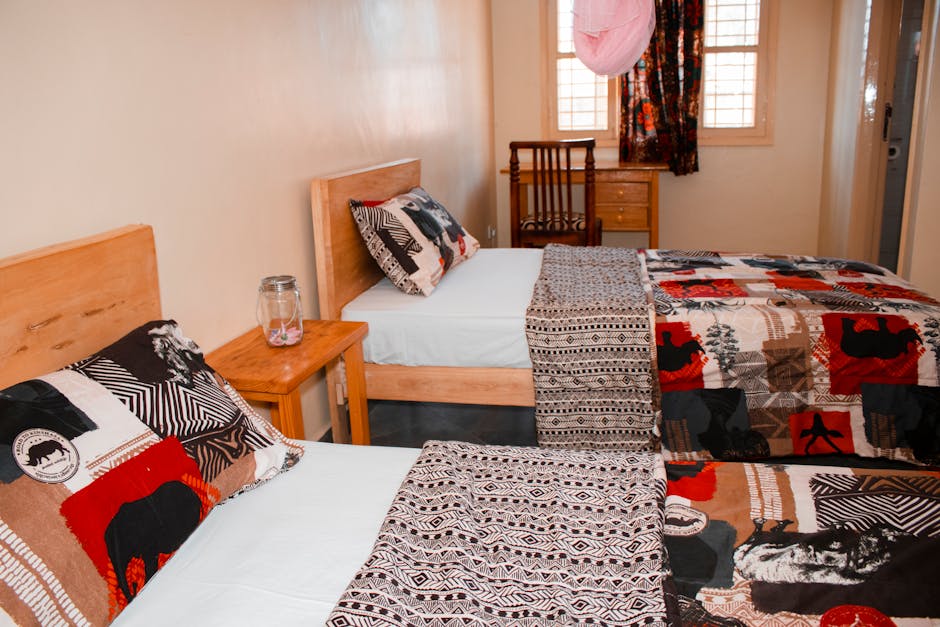
There is a quiet crisis happening across America.
Behind apartment buildings, shelters, motels, and temporary rooms are veterans trying to rebuild their lives after service, hardship, displacement, medical struggles, divorce, PTSD, unemployment, or financial instability.
Many are not looking for luxury. They are looking for structure. Stability. Safety. A second chance to breathe without fear. This growing need is one of the reasons transitional housing and independent living facilities are expanding across the country.
But many new operators enter this field believing it is simply about renting rooms.It is not.
Successful transitional housing programs are built on organization, systems, documentation, compassion, and structure.
The operators who understand this early often create safer environments, stronger reputations, and more sustainable businesses.
The ones who overlook these details usually become overwhelmed within the first few months.
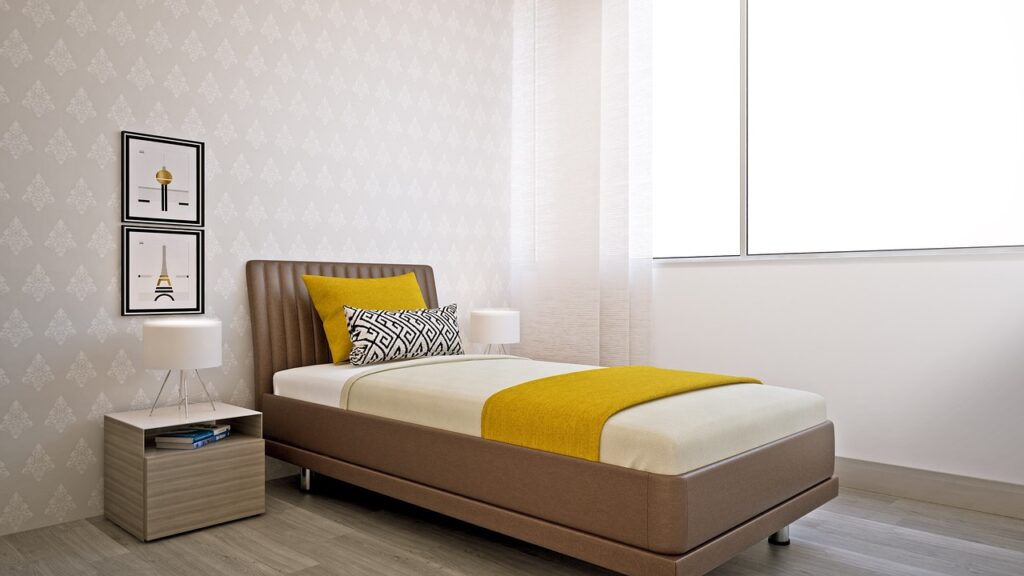
If you are thinking about opening a veterans housing program or supportive living home, here are some of the most important things beginners often overlook.
There is a quiet crisis happening across America.
Many first-time operators focus heavily on:
- beds
- televisions paint colors
- appliances
- decorating rooms
While those things matter, structure matters more. Veterans entering transitional housing often come from unstable environments. Some are rebuilding after homelessness, substance recovery, job loss, incarceration, or emotional trauma.
A well-organized home with clear expectations creates emotional safety.
That means:
- house rules
- intake procedures
- quiet hours
- cleaning schedules
- visitor policies
- conflict resolution systems
- documentation processes
Without structure, even beautiful homes can become chaotic. The strongest housing programs operate with calm systems that create predictability for residents.
2. Documentation Is One of the Most Overlooked Areas
This is where many beginners struggle. New operators often underestimate how much paperwork and organization are involved in running a supportive housing program.
Important documents may include:
- resident applications
- intake forms
- emergency contacts
- medication disclosures
- incident reports
- bed check logs
- inspection checklists
Having these systems prepared early can save enormous stress later. Disorganization creates confusion not only for operators, but also for caseworkers, referral agencies, inspectors, and residents themselves. A professional housing operation should feel organized from the very first interaction
3. Community Partnerships Are Everything
Many people think they can simply open a house and residents will magically appear.
That is rarely how this industry works.
Strong transitional housing operators build relationships with:
- veteran organizations
- case managers
- hospitals
- shelters
- nonprofit organizations
These relationships become the pipeline that keeps beds filled and creates long-term stability for the program. Housing is deeply connected to community networks. The most respected operators understand they are not working alone. They are becoming part of a larger ecosystem of support

4. Burnout Happens Faster Than People Expect
One of the biggest surprises for new operators is emotional exhaustion.
Supportive housing work can be rewarding, but it can also become emotionally heavy without systems and boundaries in place.
Some beginners try to personally solve every resident’s problem. Eventually they become drained, frustrated, or overwhelmed.
Healthy operators create:
- clear boundaries
- routines
- documentation systems
- referral systems
Structure protects not only residents — it protects operators too.
5. Organization Creates Trust
Many veterans entering housing programs already carry distrust from past experiences. An organized environment creates confidence.
Simple things matter:
- answering calls professionally
- organized paperwork
- clean files
- clear communication
- printed policies
- safety standards
Professionalism builds credibility with:
- residents
- referral partners
- inspectors
- landlords
When people feel your operation is structured, they are more likely to refer others to you.
6. Transitional Housing Is About Dignity
At its core, this work is not just about beds.
It is about restoring dignity.
A structured home can help someone stabilize long enough to:
- return to work
- reconnect with family
- address mental health needs
- save money
- regain independence
Many veterans simply need a stable environment and an opportunity to reset their lives.
Housing becomes the foundation that makes everything else possible.
Final Thoughts
Starting a transitional housing program for veterans can become meaningful work and a powerful business opportunity when approached correctly.
But the operators who succeed long-term are usually the ones who understand this important truth:
Supportive housing is not simply about providing space.
It is about creating structure, stability, organization, and hope.
The more organized your systems become, the more effective your program can be — not only for residents, but for your own peace of mind as an operator.
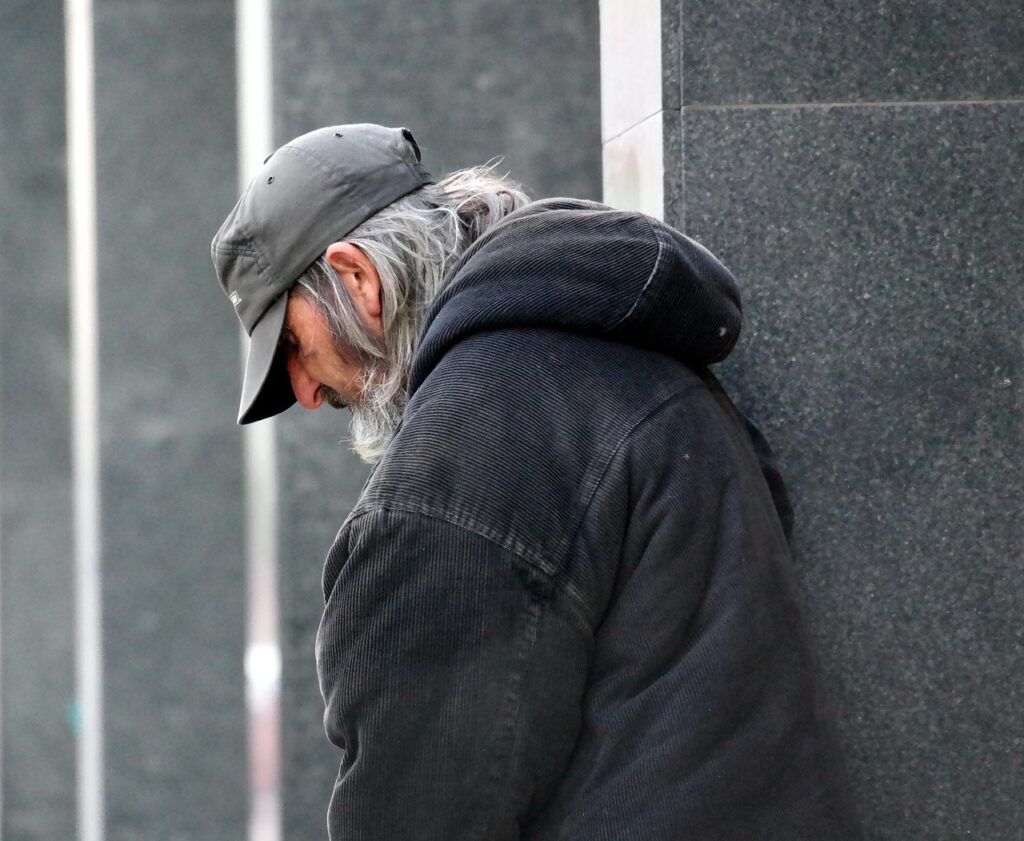
Recommended Resource
If you are currently researching how to organize and launch a structured veterans housing program, the Veteran Independent Living Facility Blueprint: How to Build Structured Transitional Housing for Veterans* provides a beginner-friendly overview of startup preparation, systems, structure, and operational planning.
Available now on [Gumroad] Click Herehttps://beyondsection8ntwk.gumroad.com/l/czfzdg
Veteran Independent Living Facility Blueprint
is a practical guide for aspiring ILF owners and housing providers who want to build structured transitional housing programs for veterans.
This ebook walks readers through the foundations of operating a professional housing business, including organization, compliance, documentation, financial structure, and funding readiness.
Filled up form and important links to government agencies