Why Transitional Living Programs for Young Women Matter More Than Ever
There is a silent population of young women across America who are struggling with housing instability while trying to survive quietly.
Many are not standing on street corners or sleeping in visible encampments. Some are sleeping in cars, staying with unsafe roommates, moving from couch to couch, or remaining in toxic relationships simply because they have nowhere else to go.
Others are aging out of foster care, leaving abusive homes, escaping trafficking situations, or working low-paying jobs while secretly homeless.
Most traditional systems focus on women with children, veterans, seniors, or individuals already deep in crisis. But many young women between the ages of 15 and 27 fall into a dangerous gap where they need support before long-term homelessness takes hold.
Transitional living programs and independent living facilities can become the bridge between crisis and stability by offering structure, safety, life skills, and pathways to income.
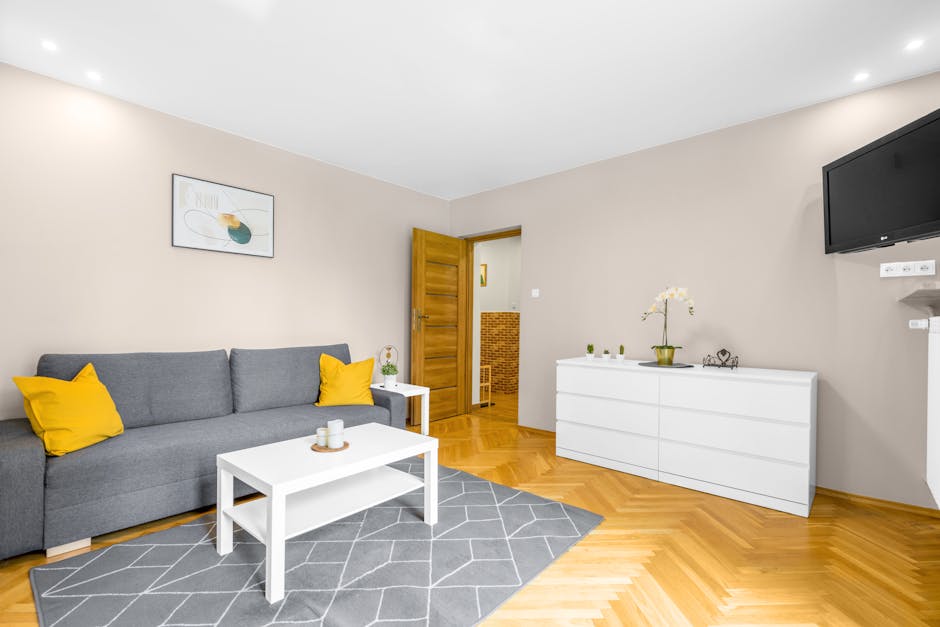
Programs such as the NYC Department of Youth and Community Development’s Transitional Independent Living facilities already demonstrate how structured housing can support homeless youth as they work toward independence. (New York City Government)
What Is a Transitional Living Program?
A transitional living program is more than a shelter. It is a structured environment designed to help residents stabilize emotionally, financially, and professionally while preparing for independent living.
These homes may provide:
- furnished housing,
- life-skills coaching,
- workforce development,
- budgeting support,
- job readiness,
- transportation assistance,
- referrals to healthcare,
- and emotional support systems.
Organizations like Covenant House have shown that transitional housing combined with case management and employment support can significantly improve outcomes for homeless youth. Their programs focus on stable housing, education, financial literacy, and career development. (Covenant House)
In cities across America, operators are building structured housing models that combine housing with mentorship and life rebuilding systems.
Programs such as Dallas Hope Charities and Eddy House Nevada provide examples of transitional housing combined with supportive services for vulnerable youth. (Dallas Hope Charities)
Where Independent Living Facility Owners Can Find Residents
One of the biggest misconceptions in the industry is that operators must “search” for clients. In reality, referral pipelines already exist. The need is enormous.
Independent living facility owners should build relationships with:
- foster care agencies,
- youth homeless programs,
- hospitals,
- behavioral health clinics,
- workforce centers,
- community colleges,
- churches,
- juvenile diversion programs,
- domestic violence organizations,
- and nonprofit housing networks.
National and regional referral resources include:
National Resources
- National Runaway Safeline
- HUD Youth Homelessness Programs
- Youth.gov Federal Homelessness Programs
- CareerOneStop Workforce Resources
- FindHelp.org
Texas
Washington State
Maryland
New York

Teaching Skills That Create Income
The goal of transitional living should not only be getting residents employed. The deeper mission is helping residents develop skills they can sell for life.
A person who knows how to solve problems will almost always have a way to survive.
Independent living programs can encourage residents to explore:
- HVAC training,
- plumbing,
- electrical work,
- home inspection,
- security camera installation,
- appliance repair,
- website design,
- podcast editing,
- social media management,
- video editing,
- digital marketing,
- mobile notary work,
- phlebotomy,
- and virtual assistant services.
- international influencer
Google also provides career training opportunities in:
- cybersecurity,
- IT support,
- project management,
- data analytics,
- cloud computing,
- and digital marketing.
Resources:
The modern economy rewards people who can solve problems digitally and physically. A young woman who learns bookkeeping, website design, plumbing, or cybersecurity may eventually build a business that gives her financial freedom for years.
Why Financial Structure Matters for Housing Operators
Many independent living facility owners are passionate about helping people, but the financial side of operations often becomes overwhelming.
Housing operators commonly struggle with:
- disorganized receipts,
- mixed personal and business expenses,
- incomplete QuickBooks setup,
- tax-season stress,
- missing financial reports,
- cash flow confusion,
- and bookkeeping backlogs.
That is where professional financial organization becomes critical.
Introducing CopperSun Bookkeeping Firm
CopperSun Bookkeeping Firm
CopperSun Bookkeeping Firm is a remote bookkeeping and financial cleanup service designed to help independent living facility owners, supportive housing operators, landlords, and housing entrepreneurs organize and structure their financial systems.
Services include:
- QuickBooks setup,
- cleanup and catch-up bookkeeping,
- monthly bookkeeping,
- chart of accounts organization,
- expense categorization,
- income tracking,
- bank reconciliations,
- and financial workflow structuring.
The CopperSun Bookkeeping Onboarding Process
Step 1 — Discovery Consultation
Operators discuss:
- business structure,
- housing model,
- current bookkeeping problems,
- and financial goals.
Step 2 — Financial Assessment
CopperSun reviews:
- bank accounts,
- existing QuickBooks files,
- bookkeeping gaps,
- missing transactions,
- and reporting issues.
Step 3 — Cleanup & Catch-Up
This phase may include:
- correcting transaction categories,
- reconciling accounts,
- organizing expenses,
- fixing bookkeeping errors,
- and rebuilding financial records.
Step 4 — QuickBooks Setup & Structure
The system is organized to support:
- rent tracking,
- resident payment tracking,
- operational expenses,
- vendor management,
- payroll preparation,
- and tax-ready reporting.
Step 5 — Ongoing Monthly Support
Operators may continue with:
- monthly bookkeeping,
- financial maintenance,
- and organized reporting systems.
For housing providers trying to scale operations, financial organization is not optional. A clean bookkeeping system creates stability, professionalism, and long-term sustainability.

Downloadable Forms Independent Living Facilities May Need
Useful forms include:
Intake & Resident Forms
- Resident intake forms
- Independent living plans
- HIPAA notices
- House rules agreements
- Roommate agreements
- Budget worksheets
- Emergency contact forms
- Program participation agreements
Resource Links
Final Thoughts
Across the United States, there are thousands of young women trying to survive quietly while systems overlook them. Transitional living programs and independent living facilities can become more than housing.
They can become rebuilding environments where young women learn stability, income skills, structure, and confidence.
At the same time, operators themselves need organized systems to survive financially. Housing programs cannot grow in chaos.
Strong bookkeeping, structured operations, professional onboarding systems, and organized documentation help independent living facilities remain sustainable while continuing to serve vulnerable communities.
The future of supportive housing is not just beds.
It is structured.
Skills.
Systems.
And the belief that a safe place to land can change someone’s entire future.