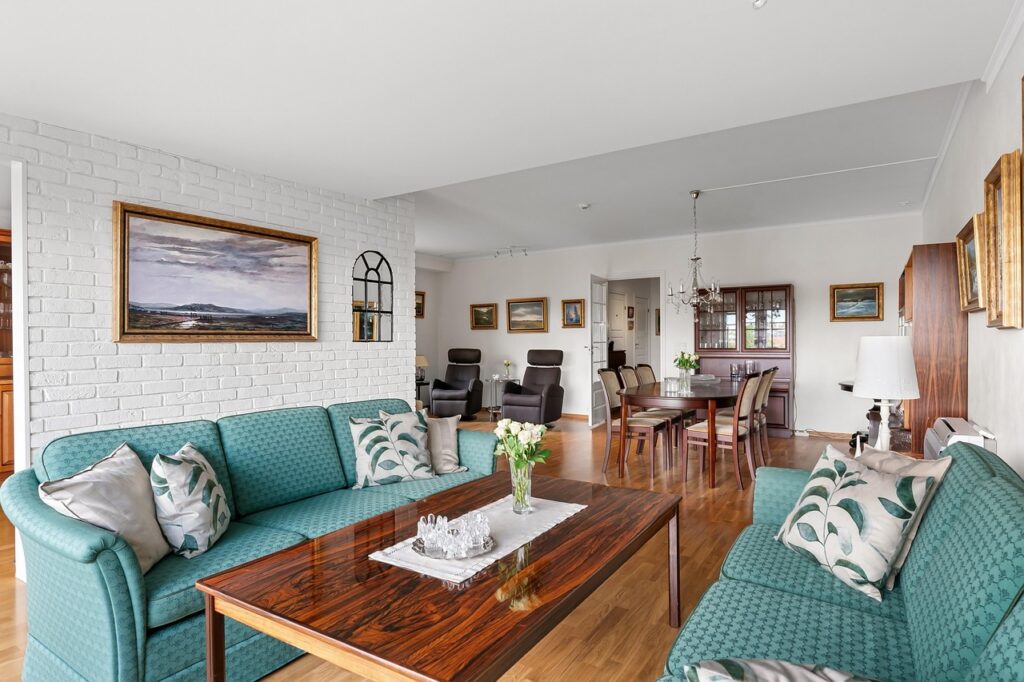
The traditional rental market is changing.
Across the country, landlords are increasingly hearing about:
- supportive housing
- independent living facilities
- sober living homes
- transitional housing
- shared housing arrangements
These alternative housing models are becoming more visible as communities search for solutions to rising housing costs and affordable housing shortages.
For many property owners, this shift represents a major change in how rental housing may operate in the future.
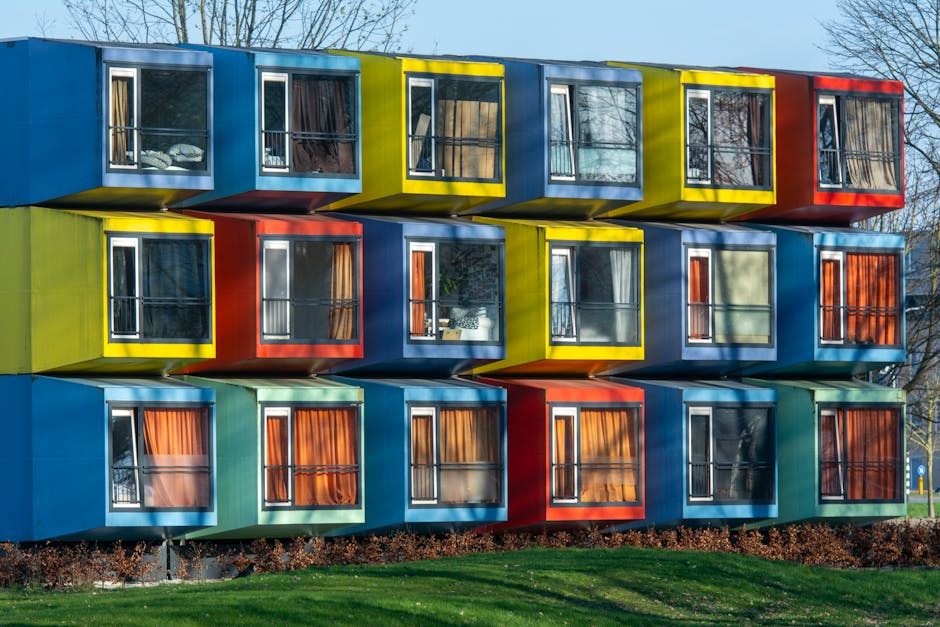
Rising Housing Demand
One reason alternative housing models are growing is because affordable housing demand continues increasing nationwide.
Many communities are facing:
- rising rents
- limited affordable housing inventory
- housing shortages
- increased homelessness
- economic pressure on renters
As a result, housing providers and organizations are exploring new ways to create stable housing opportunities.

What Are Alternative Housing Models?
Alternative housing models include a wide range of living arrangements beyond traditional rentals.
Examples include:
- supportive housing
- independent living facilities
- transitional housing
- recovery housing
- shared housing programs
- veterans housing
Some programs provide structured support services, while others simply focus on affordable shared living environments.

Why Landlords Are Being Approached
As these programs expand, operators are actively searching for properties to lease.
Many landlords are now receiving inquiries from:
- housing organizations
- independent operators
- nonprofits
- supportive housing providers
Operators often seek:
- single-family homes
- apartments
- multifamily properties
- large shared living spaces
For landlords unfamiliar with these models, the experience can feel completely new.

Why Some Property Owners Are Interested
Some landlords are exploring alternative housing models because they may offer:
- stable occupancy
- long-term lease opportunities
- reduced vacancy
- one business contact instead of multiple tenants
In some arrangements, operators may also:
- furnish properties
- oversee residents
- manage house operations
- coordinate daily activities
This structure appeals to some landlords looking for different rental strategies.

Concerns About Alternative Housing
Even as interest grows, many landlords remain cautious.
Common concerns include:
- zoning issues
- property damage
- overcrowding
- neighborhood impact
- operator professionalism
- insurance complications
Because regulations vary by location, landlords often need to research local requirements carefully.

The Importance of Education
One major challenge in this industry is the lack of clear information.
Many landlords are hearing terms like:
- supportive housing
- independent living
- housing operators
without fully understanding what they mean.
This is creating growing demand for:
- landlord education
- housing industry resources
- transparent communication
- professional standards

The Housing Industry Is Evolving
Housing experts across the country continue discussing:
- affordable housing shortages
- rental accessibility
- housing instability
- alternative living arrangements
As these conversations grow, supportive housing and shared housing models are becoming part of a larger shift in the housing industry.

Final Thoughts
Alternative housing models are becoming increasingly common as communities search for new housing solutions.
For landlords, these arrangements may create:
- new rental opportunities
- stable occupancy options
- long-term leasing possibilities
At the same time, education, professionalism, and careful evaluation remain extremely important.
As the housing market continues evolving, landlords who understand these emerging housing models may be better positioned to navigate the future of rental housing.